UV-Lampe zur Wasserreinigung: Sicherheit und Effizienz
28 Apr, 2024
Von hqt
In diesem Artikel, Wir werden uns ansehen, wie eine UV-Lampe zur Reinigung von Wasser verwendet wird, Welche Arten solcher Lampen gibt es?, und warum sie eine wirksame Lösung zur Gewährleistung der Wasserqualität sind.
UV-Lampe zur Wasserreinigung – working principle
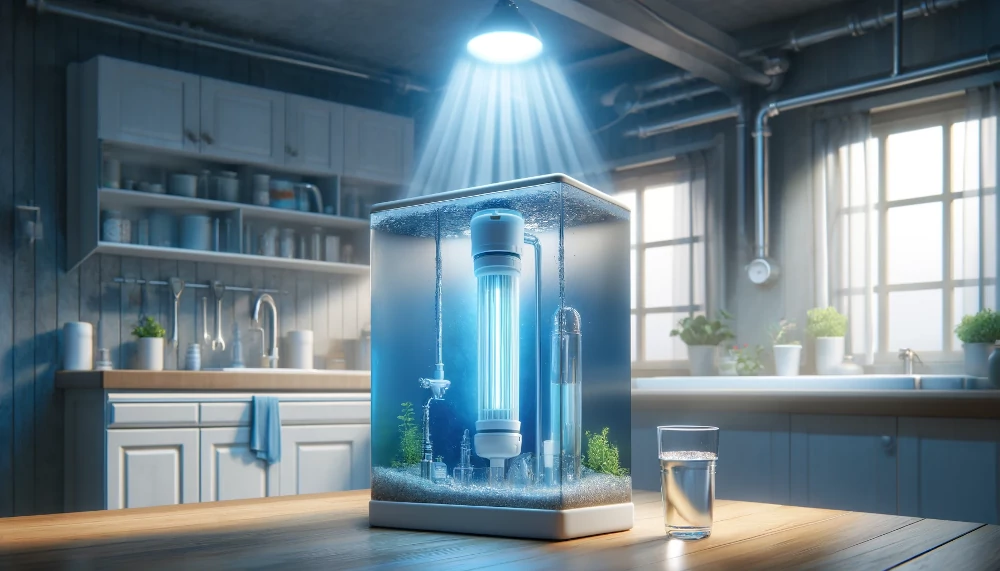
Ultraviolett (UV) Wasserreinigungslampen arbeiten nach dem Prinzip der UV-Desinfektion. This process is based on the use of ultraviolet radiation of a certain wavelength, which is capable of destroying microorganisms and viruses present in water.
The working principle of the ultraviolet lamp for water purification is as follows:
UV-Lichtemission: Die UV-Lampe erzeugt ultraviolette Strahlung einer bestimmten Wellenlänge, normalerweise im Bereich von 200 Zu 300 nm. This radiation penetrates the water and affects the DNA of microorganisms.
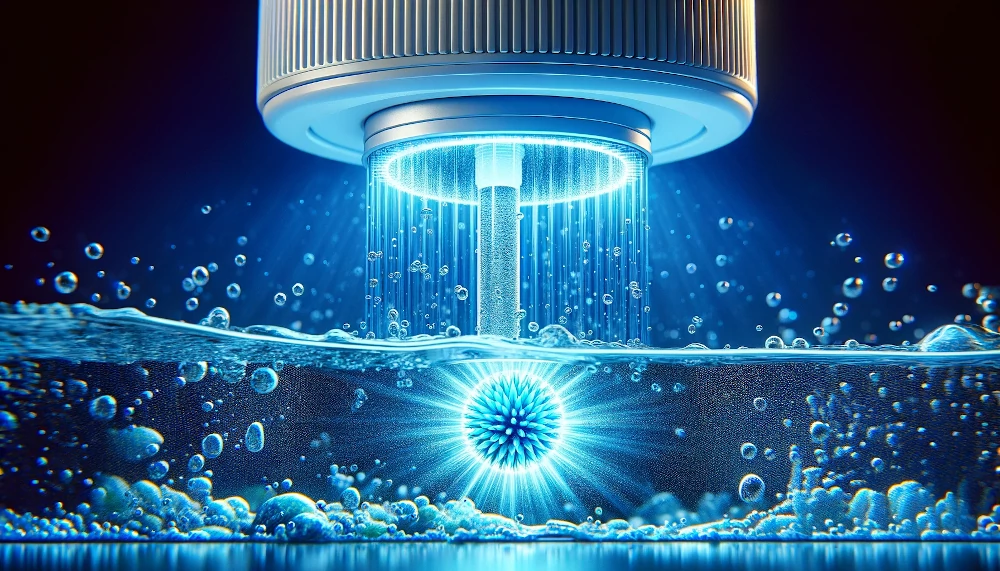
Destruction of DNA of microorganisms:Ultraviolet radiation penetrates the cells of bacteria, Viren und andere Mikroorganismen, changing their genetic material (DNA). This leads to disruption of their structure and functioning, was sie fortpflanzungsunfähig macht und ihren Tod zur Folge hat.
Zerstörung von Krankheitserregern:The UV disinfection process destroys a wide range of microorganisms including bacteria, Viren, fungi and protozoa that may be present in water and pose a health hazard.
Wasserreinigung:After being irradiated with ultraviolet light, the water remains clean and safe to drink as harmful microorganisms in it have been destroyed.
Ultraviolet water purification lamps are effective, safe to use and environmentally friendly, as they do not require the use of chemical additives or the formation of residues. This method of disinfection is widely used in various fields, inklusive Trinkwasser, Schwimmbäder, Aquarien, food production and the pharmaceutical industry.
How UV Lamp Destroys Microorganisms
Ein Ultraviolett (UV) lamp destroys microorganisms such as bacteria and viruses using ultraviolet radiation of a specific wavelength. The process of destroying microorganisms occurs as follows:
Wirkung auf die DNA:Ultraviolet radiation of a certain wavelength (normalerweise im Bereich von 200-300 nm) penetrates the cells of microorganisms. This radiation affects the DNA of microorganisms, causing changes in their structure.
Schädigung des genetischen Materials:Ultraviolet radiation causes destruction and damage to the DNA of microorganisms. This damage prevents normal cell function and reproduction, making the microorganisms unable to survive.
Blocking Replication:Exposure to UV radiation blocks the process of DNA replication in the cells of microorganisms. This means that microorganisms cannot continue to reproduce and increase their population.
Zerstörung von Mikroorganismen:As a result of changes in the genetic material of microorganisms and blocking their reproduction, they lose their viability and die. Daher, ultraviolet radiation ensures effective destruction of microorganisms.
This process is a safe and effective disinfection method that is widely used in various fields such as medicine, Lebensmittelindustrie, water supply and many others.
Technical aspects of ultraviolet systems for water
Ultraviolett (UV) water purification systems involve a number of technical aspects that determine their efficiency and reliability. Hier sind einige davon:
UV-Lampe:One of the key elements of the system is the UV lamp, which generates ultraviolet radiation of the required wavelength to disinfect water. Lamps vary in power, Wellenlänge, and service life.
Reaktor:The UV reactor is a housing in which the UV lamps are installed. It ensures the correct distribution of UV radiation and protects the environment from it.
Quartz Glass:Quartz glass is used to protect the UV lamp from water exposure and to ensure maximum transmission of UV radiation through water.
Kontrollsystem:Some UV systems are equipped with control systems that monitor UV intensity, lamp life and other parameters to ensure effective water disinfection.
Filtration:Some UV disinfection systems may have a built-in filter that removes particulate matter from the water before it passes through the UV reactor.
Water Supply:The effectiveness of UV disinfection depends on uniform exposure of all water particles to UV radiation. daher, systems must be designed to provide a uniform supply of water through the UV reactor.
These technical aspects are important to ensure effective water disinfection and prevent the spread of pathogens through water. When choosing a UV water purification system, it is important to consider their specifications and compliance with safety and quality standards.
Vorteile der Verwendung von UV-Lampen in Wasseraufbereitungssystemen
The use of ultraviolet lamps in water purification systems has a number of advantages:
Effectiveness in Disinfection:Ultraviolet disinfection is an effective method of killing bacteria, Viren, mold and other microorganisms in water. Ultraviolet radiation destroys the DNA of microorganisms, wodurch sie fortpflanzungsunfähig werden.
Sicher und umweltfreundlich:Ultraviolet disinfection does not require adding chemicals to water, making it safe for human health and environmentally friendly. It also does not change the chemical composition of water or its taste and smell.
Keine Nebenprodukte:There are no by-products produced when using UV disinfection, unlike some other cleaning methods such as chlorination.
Schnelle Aktion:Ultraviolet disinfection occurs instantly as water passes through the ultraviolet reactor. This allows water to be disinfected quickly without the need for long contact times with the disinfectant.
Low operating costs:Once the UV disinfection system is installed, its operating costs are limited to replacing the lamps and regularly checking their functionality. There is no need to purchase and store chemical reagents.
Breites Anwendungsspektrum:UV disinfection systems can be used to disinfect drinking water, Wasser in Schwimmbädern, Aquarien, irrigation systems and other applications where clean water is required.
These advantages make ultraviolet water purification systems popular and in demand in various areas, from home use to industrial and medical institutions.
Ecological and safe UV cleaning
UV water purification is an environmentally friendly method of water treatment, because:
Keine Chemikalien:One of the main advantages of UV water purification is the lack of need for chemical reagents for purification. This means that there is no need for storage, transportation and handling of chemicals, which can reduce the negative impact on the environment.
No Waste:UV systems do not create waste or by-products such as chlorine or ozone that can pollute water or soil.
Energieeffizienz: Jedoch, UV systems require electricity to operate. Jedoch, the efficiency of a UV system can be high, especially when compared to methods that require heating water or using chemicals.
Health safety:UV irradiation does not change the chemical composition of water, does not introduce harmful substances into it and does not have a negative effect on taste, smell or color. Daher, water after UV treatment is safe for drinking and household use.
Environmental Footprint:Because UV systems do not use chemicals or create waste, their environmental footprint is generally low compared to alternative water treatment methods.
Daher, UV water purification is an environmentally friendly and effective water treatment method that can be used in a variety of applications including domestic, commercial and industrial.
Applications of UV lamps for water
Ultraviolett (UV) water lamps are widely used in various fields to ensure the safety and purity of drinking water. The main areas of their application are listed below:
Haushaltsgebrauch:UV water purification systems can be installed at home to provide clean and safe drinking water. They are used in private houses, apartments, country houses and other residential premises.
Commercial use:UV lamps are applied in various commercial establishments such as restaurants, Cafés, Hotels, Büros, sports clubs, usw., where large volumes of clean water are required for drinking and cooking.
Industrial Use: In der Industrie, UV water purification systems are used to treat water in various manufacturing processes. Such as food and beverage production, pharmaceutical industry, semiconductor manufacturing, usw.
Medizinische Verwendung:UV lamps are used for water disinfection in medical facilities such as hospitals, Kliniken, dental offices and laboratories where high levels of sterility are required.
Aquarien und Pools:UV water purification systems are used in aquariums and pools to kill harmful bacteria, Viren und andere Mikroorganismen, providing a healthy environment for fish and other animals.
Water Treatment in Laboratories:UV lamps are also used in laboratories to disinfect water used in various laboratory studies and analyses.
Im Allgemeinen, UV water purification lampplays an important role in ensuring the safety and purity of water in various fields of life and industry.
 [lsft_native_dropdown]