અલ્ટ્રાવાયોલેટ લેમ્પ યુવી: ઉપયોગી ગુણધર્મો અને એપ્લિકેશનની વિવિધતા
24 એ.પી.આર.એચ., 2024
પાસે Hોર
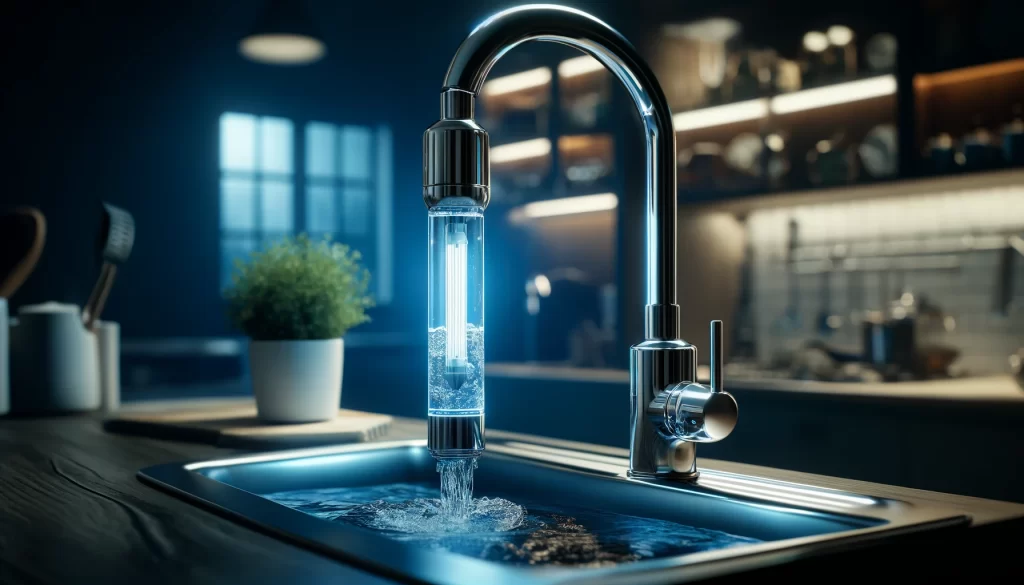
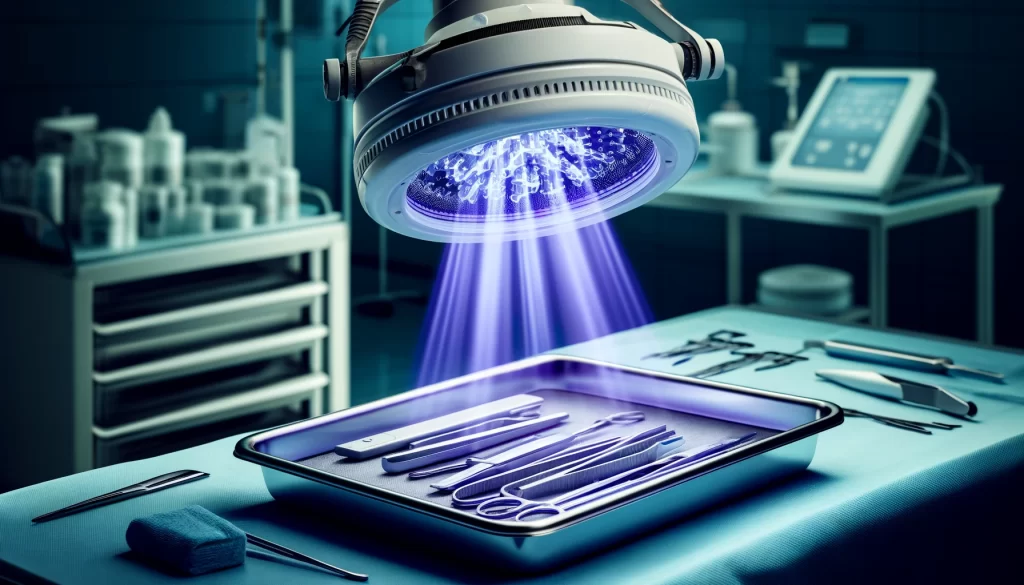
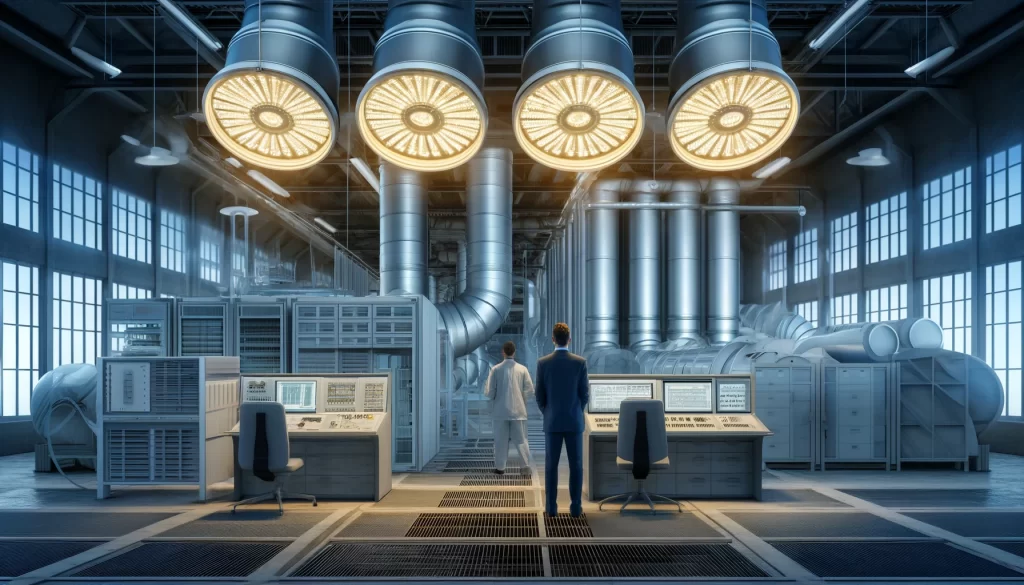
અલ્ટ્રાવાયોલેટ લેમ્પ (યુવી) એક વિદ્યુત ઉપકરણ છે જે યુવી સ્પેક્ટ્રમમાં અલ્ટ્રાવાયોલેટ કિરણોત્સર્ગ પેદા કરે છે. તેઓ વિવિધ હેતુઓ માટે વપરાય છે, હવા સહિત, પાણી, અને સપાટી જીવાણુ નાશકક્રિયા, તેમજ વિવિધ ઉદ્યોગોમાં સામગ્રીની પ્રક્રિયા.
અલ્ટ્રાવાયોલેટ લેમ્પ્સની મુખ્ય લાક્ષણિકતાઓમાં સમાવેશ થાય છે:
રેડિયેશન પ્રકાર : UV lamps can be classified by radiation wavelength into UVA (320 એન.એમ. 400 નકામું), યુવીબી (280 એન.એમ. 320 નકામું) અને યુવીસી (100 એન.એમ. 280 નકામું). Each radiation type has its own characteristics and applications.
શક્તિ : The power of the UV lamp determines the amount of radiation it can generate. This is an important parameter that affects the effectiveness of disinfection and treatment of materials.
સેવા જીવન : The service life of UV lamps determines the period of time they are capable of generating radiation under normal conditions of use. A long service life reduces the cost of replacing lamps and ensures continuous operation of the device.
જીવાણુ નાશકક્રિયા કાર્યક્ષમતા : The efficiency of an ultraviolet lamp in disinfecting air, water or surfaces depends on its design, power and type of radiation. Selecting a lamp with the appropriate characteristics will help achieve the required level of disinfection.
સલામતી : જ્યારે સીધા સંપર્કમાં હોય ત્યારે યુવી કિરણોત્સર્ગ ત્વચા અને આંખો માટે હાનિકારક હોઈ શકે છે. તેથી, it is important to choose lamps with appropriate safety features, such as protective screens or circuit breakers when opening the device housing.
કદ અને આકાર : UV lamps come in a variety of sizes and shapes depending on their application. Some lamps are designed to be installed inside equipment or systems, while others can be portable and used in a variety of settings.
These characteristics determine the functionality and applicability of UV lamps in various applications. When selecting a lamp, it is important to consider the requirements of a specific application and ensure safe use.
An overview of the different types of UV lamps (યુવા, યુવીબી, યુવીસી) and their spectral characteristics.
Ultraviolet lamp UV is classified into three main types depending on the wavelength of radiation: યુવા, યુવીબી અને યુવીસી. Each type has its own spectral characteristics and applications.
યુવીએ લેમ્પ્સ :
તરંગલંબાઇ: થી 320 એન.એમ. 400 નકામું.
સ્પેક્ટ્રલ લાક્ષણિકતાઓ: UVA radiation is in the longer wavelength portion of the ultraviolet spectrum and has the lowest energy of the three types of UV.
અરજીઓ: UVA radiation is often used in cosmetic and medical procedures such as phototherapy, photodynamic therapy, and resin polymerization in dentistry. It is also used in various industrial processes such as drying and curing adhesives.
યુવીબી લેમ્પ્સ :
તરંગલંબાઇ: થી 280 એન.એમ. 320 નકામું.
સ્પેક્ટ્રલ લાક્ષણિકતાઓ: UVB radiation is in the mid-wave part of the ultraviolet spectrum and has higher energy than UVA.
અરજીઓ: UVB radiation is used in medical procedures such as the treatment of psoriasis, eczema and other skin diseases. UVB lamps are also used for industrial polymerization and drying of materials.
યુવીસી લેમ્પ્સ :
તરંગલંબાઇ: થી 100 એન.એમ. 280 નકામું.
સ્પેક્ટ્રલ લાક્ષણિકતાઓ: UVC radiation is in the short-wave part of the ultraviolet spectrum and has the highest energy of all types of UV.
અરજીઓ: UVC radiation is the most effective for disinfection and sterilization. It destroys bacteria, વાયરસ અને અન્ય સુક્ષ્મસજીવો, making it indispensable in the fields of medicine, ખાદ્ય ઉદ્યોગ, પાણી શુદ્ધિકરણ, as well as in air and surface disinfection.
General comparison:
UVA radiation has the lowest energy and penetrates deep into the skin.
UVB radiation has medium energy and can cause sunburn and skin damage.
UVC radiation has the highest energy and is most effective in disinfection and sterilization, but it is blocked by the Earth’s ozone layer and does not reach the planet’s surface without special devices.
યુવી લેમ્પ્સનો ઉપયોગ કરવાના ફાયદા
અલ્ટ્રાવાયોલેટ લેમ્પ યુવી – effective in sterilization and disinfection.
The effectiveness of UV lamps in sterilization and disinfection depends on several factors, કિરણોત્સર્ગના પ્રકાર સહિત (યુવા, યુવીબી, યુવીસી), lamp power, સંપર્કમાં રહ્યાનો સમય, સારવાર કરવામાં આવતી સપાટીથી અંતર, and characteristics of the microorganisms.
યુવીસી રેડિયેશન : UVC lamps are most effective in disinfection and sterilization due to their short-wave nature. They are able to penetrate the cells of microorganisms and damage their DNA or RNA, જે તેમને પ્રજનન માટે અસમર્થ બનાવે છે. UVC radiation is highly effective in destroying bacteria, વાયરસ, ફૂગ અને અન્ય પેથોજેનિક સુક્ષ્મસજીવો.
Power and Exposure Time : The higher the power of the UV lamp and the longer the exposure time, the greater the likelihood of complete disinfection or sterilization. Optimum settings depend on the specific application and the level of disinfection required.
Distance to the surface being treated : UV radiation is effective at short distances, so it is important to correctly position the lamps relative to the surface or object being treated. This allows you to maximize the potential of UV radiation and ensure uniform disinfection.
Microorganism characteristics : Some microorganisms may be more resistant to UV radiation than others, so disinfection effectiveness may vary depending on the type of microorganism and its stage of development.
When used correctly and with the right parameters, ultraviolet lamps provide a high degree of sterilization and disinfection, making them an important tool in the fields of medicine, ખાદ્ય ઉદ્યોગ, પાણી શુદ્ધિકરણ, as well as in air and surface cleaning.
The use of UV lamps in comparison with traditional cleaning methods.
The UV lamp has its own advantages and limitations compared to traditional cleaning methods, depending on the specific application and disinfection requirements. Here are some key points to compare:
અસરકારકતા : UV disinfection provides effective destruction of bacteria, વાયરસ, fungi and other pathogens without the use of chemicals. While some traditional methods, such as using chlorine or alcohol solutions, may also be effective, they may leave residues or have unpleasant odors.
સલામતી : યુવી જીવાણુ નાશકક્રિયા માટે રસાયણોના ઉપયોગની જરૂર નથી, પર્યાવરણ અને મનુષ્યો માટે તેને વધુ સુરક્ષિત બનાવે છે. It leaves no residue and does not change the chemical composition of the treated surfaces or water. જોકે, precautions must be taken to protect against direct exposure of the skin and eyes to UV radiation.
પ્રક્રિયા સમય : UV disinfection typically requires less time than some traditional methods, especially when treating air or surfaces. It can be continuous without the need to wait for drying time or for chemical solutions to wear off.
અરજીઓ : UV disinfection is often used in healthcare, ફૂડ પ્રોસેસિંગ, પાણીની સારવાર, air and water treatment, and home environments. It can be effective in a wide range of environments and surfaces.
Usage : UV lamps require proper installation and regular maintenance to ensure continuous operation and maximum efficiency. Traditional methods may be easier to use, but they may require more effort to treat large areas or volumes.
સામાન્ય રીતે, the use of ultraviolet lamps has many advantages over traditional cleaning methods, especially in the field of air, પાણી અને સપાટી જીવાણુ નાશકક્રિયા. જોકે, specific application conditions and processing requirements must be taken into account.
અંત
Ultraviolet lamps play an important role in the modern world, providing effective disinfection and sterilization in various areas of life. Here are the main aspects of their importance:
સલામતી અને સ્વચ્છતા : UV disinfection helps ensure safety and hygiene in healthcare facilities, ફૂડ પ્રોસેસિંગ, public places and homes. It can effectively destroy bacteria, વાયરસ, ફૂગ અને અન્ય પેથોજેન્સ, reducing the risk of spreading infections and diseases.
પર્યાવરણને અનુકૂળ : Unlike some traditional disinfection methods, UV lamps do not use chemicals, making them more environmentally friendly. They do not leave residues or pollute the environment.
Efficiency and reliability : UV disinfection provides high efficiency and reliability in destroying microorganisms on surfaces, in water and in the air. It is one of the most effective methods of combating infections and ensuring public health safety.
એપ્લિકેશન્સની વિશાળ શ્રેણી : UV lamps can be used in various industries, દવા સહિત, ખાદ્ય ઉદ્યોગ, પાણીની સારવાર, air treatment, ફાર્માસ્યુટિકલ્સ, and also in the home. Their versatility makes them an integral part of modern safety and hygiene systems.
Innovation and Development : New technologies and innovations in the field of ultraviolet disinfection are constantly being developed, which allows for improvements in the efficiency, safety and usability of ultraviolet lamps. This includes the development of more efficient lamps, intelligent control and monitoring systems, and integration with other technologies.
સમગ્ર, UV lamps play a key role in maintaining safety, આજની દુનિયામાં સ્વચ્છતા અને આરોગ્ય, and their importance continues to grow with advances in technology and awareness of the importance of preventing the spread of infections.
 [lsft_native_dropdown]