Lampada ultravioletta: principi di funzionamento, tipologie e ambiti di applicazione
04 Mag, 2024
Di hqt
In questo articolo, vedremo cos'è una lampada ultravioletta, come funzionano, e quali sono i principali tipi e usi di questi dispositivi.
Cos'è una lampada a raggi ultravioletti
Un ultravioletto (UV) La lampada è un dispositivo elettrico che genera radiazione ultravioletta eccitando una scarica di gas o un arco elettrico all'interno della lampada. Le lampade UV sono utilizzate in una varietà di applicazioni, compresa la disinfezione dell’acqua e dell’aria, polimerizzazione del materiale, procedure mediche, ricerca scientifica, e molti altri.
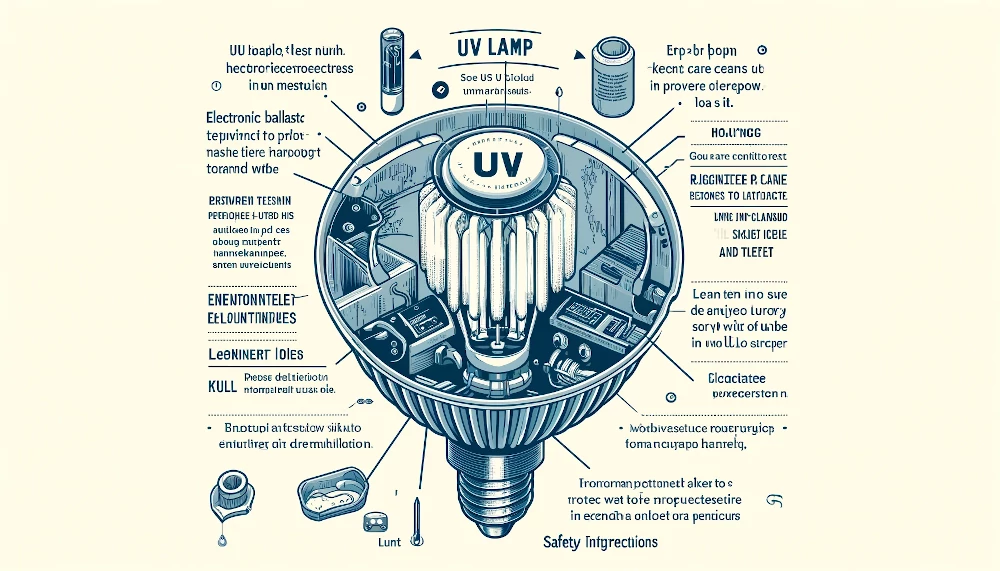
I componenti principali di una lampada a raggi ultravioletti:
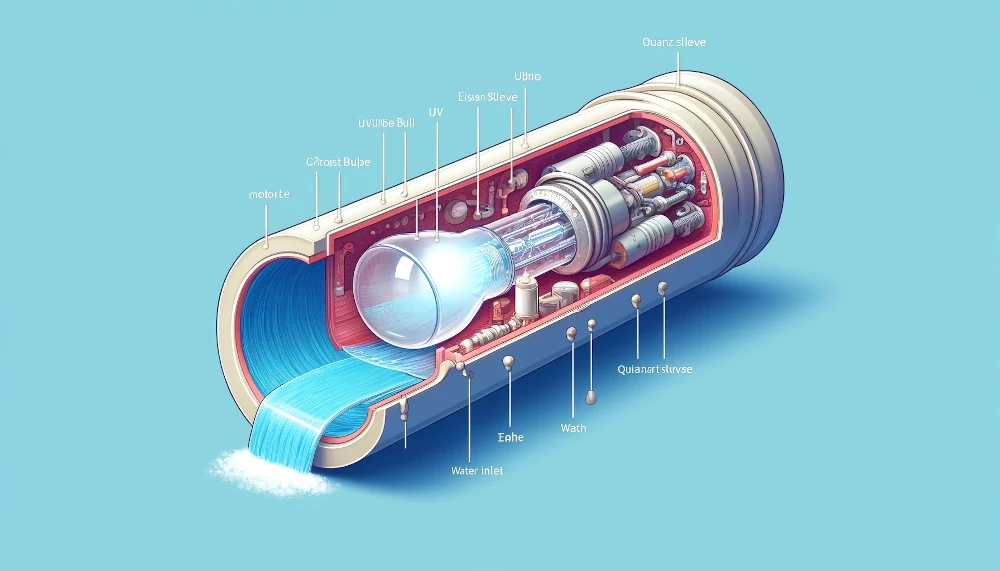
Lampadina in vetro o quarzo : Solitamente realizzato in vetro speciale o quarzo che consente la trasmissione di determinate lunghezze d'onda della radiazione ultravioletta.
Elettrodi : Collegato alla fonte di alimentazione, creano un campo elettrico all'interno della lampada, necessario per eccitare la scarica di gas.
Riempitore di gas : Riempie lo spazio tra gli elettrodi e crea le condizioni per una scarica di gas, che assicura l'eccitazione di atomi o molecole e l'emissione di luce ultravioletta.
Fonte di energia : Fornisce energia elettrica per eccitare la scarica di gas all'interno della lampada.
Le lampade ultraviolette sono classificate in base alla lunghezza d'onda della radiazione:
UVA (Lampada UV a onda lunga) : Emette radiazioni ultraviolette a onda lunga con una lunghezza d'onda di 315 A 400 nm. Tipicamente utilizzato per la polimerizzazione e l'essiccazione delle vernici, adesivi e rivestimenti.
UV-B (Lampada UV ad onde medie) : Emette radiazioni ultraviolette ad onde medie con una lunghezza d'onda di 280 A 315 nm. Utilizzato in medicina per diagnosticare malattie della pelle e sterilizzare gli strumenti.
UV-C (lampada UV a onde corte) : Emette radiazioni ultraviolette a onde corte con una lunghezza d'onda di 100 A 280 nm. Utilizzato nella disinfezione dell'acqua e dell'aria, nonché nei processi di sterilizzazione e disinfezione in istituti medici e laboratori.
Le lampade ultraviolette hanno una vasta gamma di applicazioni grazie alla loro capacità di disinfettare e sterilizzare, polimerizzare i materiali, reazioni fotochimiche e altri processi che richiedono l'uso di radiazioni UV.
Definizione e caratteristiche principali
Un ultravioletto (UV) La lampada è una sorgente luminosa artificiale che genera radiazione ultravioletta eccitando una scarica di gas o un arco elettrico all'interno della lampada. Le lampade UV hanno una vasta gamma di applicazioni in vari campi, compresa la disinfezione dell’acqua e dell’aria, polimerizzazione del materiale, procedure mediche, ricerca scientifica, e molti altri.
Le principali caratteristiche delle lampade ultraviolette includono:
Lunghezza d'onda (l) : Questo è il parametro principale che determina il tipo di radiazione UV emessa dalla lampada. Le lampade UV possono essere a onde corte (l < 280 nm), onda media (280 nm < l < 315 nm) o onde lunghe (315 nm < l < 400 nm).
Intensità radiante : Questa è una misura della quantità di energia UV emessa dalla lampada e viene misurata in watt per centimetro quadrato (W/cm²) o milliwatt per centimetro quadrato (mW/cm²).
Potenza : Questa è l'energia totale consumata dalla lampada e si misura in watt (W).
Ciclo di vita : Questo è il numero di ore in cui una lampada UV può generare radiazioni ultraviolette prima che perda la sua efficacia e richieda la sostituzione.
Efficienza di conversione : Questo è il rapporto tra l'energia UV emessa e l'energia totale consumata dalla lampada, e viene misurato in percentuale (%).
Intervallo di temperatura : Questo è l'intervallo di temperature operative alle quali la lampada può funzionare efficacemente senza perdita di prestazioni.
Forma e dimensione : Le lampade UV sono disponibili in una varietà di forme e dimensioni a seconda dell'applicazione specifica e dello spazio di installazione.
Zavorra : Questo è il componente che regola la corrente e la tensione fornita alla lampada, garantendone il corretto funzionamento e la sicurezza.
Compatibilità del sistema di alimentazione : Le lampade UV possono essere compatibili con diversi tipi di sistemi di alimentazione come alimentatori elettronici o alimentatori magnetici.
Considerando queste caratteristiche, la scelta di una lampada UV dovrebbe basarsi su requisiti applicativi specifici come il tipo di applicazione, l'intensità della radiazione UV richiesta, la dimensione dello spazio di installazione, e vincoli di bilancio.
Storia dello sviluppo e delle tecnologie moderne
The history of the development of ultraviolet lamps dates back to the late 19th century, when German physicist Wilhelm Roentgen discovered X-rays in 1895. Subsequently, in the early 20th century, in 1903, Nobel laureate Niels Finsen used ultraviolet radiation to treat skin diseases, which marked the beginning of the medical use of UV technology.
In the 1930s, the first commercially available UV lamps were developed. They were applied in various fields, come la medicina, ricerca scientifica, and water disinfection. During World War II, ultraviolet lamps were widely used to sterilize water and air on board military ships and aircraft.
With the development of technology and scientific research, modern ultraviolet lamps have become more efficient, reliable and safe. They have found application in many areas, compreso:
Medicinale : In medicina, UV lamps are used for air and surface disinfection, trattamento delle malattie della pelle, fototerapia, sterilizzazione di strumenti e altre procedure mediche.
Purificazione dell'acqua : Le lampade UV vengono utilizzate per la disinfezione dell'acqua potabile, acqua della piscina, acqua dell'acquario, nonché nei processi produttivi dell'industria alimentare e farmaceutica.
Disinfezione dell'aria : Utilizzato per pulire l'aria da microrganismi e allergeni nelle istituzioni mediche, luoghi pubblici, Laboratorie, produzione alimentare e altri settori.
Polimerizzazione dei materiali : Nell'industria, Le lampade UV vengono utilizzate per polimerizzare le vernici, adesivi, resine e altri materiali, che facilita l'indurimento e l'essiccazione accelerati.
Ricerca scientifica : In condizioni di laboratorio, Le lampade UV sono utilizzate per varie ricerche scientifiche, analisi dei materiali, reazioni fotochimiche e altri processi.
Le moderne tecnologie nel campo delle lampade ultraviolette includono lo sviluppo di sorgenti luminose più efficienti e durevoli, miglioramento dei sistemi di sicurezza e di controllo della qualità, e lo sviluppo di sistemi specializzati di disinfezione e sterilizzazione. In particolare, with the development of LED technology, ultraviolet light-emitting diodes (LED UV) were created, which have a number of advantages, such as low energy consumption, long service life and compact size.
How does an ultraviolet lamp work?
Il principio di funzionamento di un ultravioletto (UV) lamp is based on the excitation of a gas discharge or electric arc inside the lamp, which results in the emission of ultraviolet radiation. Here is a more detailed explanation:
Electrical discharge : The UV lamp contains two electrodes between which an electric field is created. When an electrical voltage is applied to the electrodes, they become positive and negative poles, which causes the gas inside the lamp to ionize.
Gas Ionization : When an electric field is present, the gas atoms or molecules inside the lamp begin to ionize, i.e., lose or gain electrons. Questo crea un plasma costituito da particelle cariche positivamente e negativamente.
Emissione ultravioletta : Quando gli elettroni si spostano dai livelli energetici più alti a quelli più bassi nel plasma, si verifica un'emissione ultravioletta. Questa radiazione ultravioletta ha lunghezze d'onda diverse a seconda del tipo di gas utilizzato e del design della lampada.
Filtrazione : Alcune lampade UV utilizzano materiali speciali nel bulbo che filtrano la luce visibile e consentono il passaggio solo della radiazione ultravioletta. Ciò rende la lampada UV più efficiente per determinate applicazioni.
Uso delle radiazioni : La radiazione ultravioletta risultante può essere utilizzata per vari scopi, compresa la disinfezione dell’acqua e dell’aria, sterilizzazione di strumenti medici, polimerizzazione dei materiali, e altri processi a seconda della lunghezza d'onda e dell'intensità della radiazione UV.
Il principio di funzionamento della lampada UV la rende uno strumento importante in vari settori che richiedono l'uso della radiazione ultravioletta per una serie di applicazioni legate alla disinfezione, sterilizzazione, polimerizzazione e ricerca scientifica.
Sorgenti di radiazioni UV
Fonti di ultravioletti (UV) le radiazioni possono variare e sono determinate in base a esigenze e applicazioni specifiche. Ecco alcune delle principali fonti di radiazioni UV:
Lampade ultraviolette : Queste sono la fonte di radiazioni UV più comune e ampiamente utilizzata. Le lampade UV possono essere compatte (come le lampade UV per la disinfezione dell'acqua) o grande (come una lampada industriale per la disinfezione dell'aria). Funzionano creando una scarica di gas o un arco elettrico all'interno del bulbo, che provoca l'emissione di radiazioni ultraviolette.
LED ultravioletti (LED UV) : Si tratta di una nuova generazione di sorgenti luminose UV basate sulla tecnologia LED. I LED UV presentano numerosi vantaggi, tra cui l'elevata efficienza, lunga vita, basso consumo energetico e dimensioni compatte. Sono utilizzati in vari campi tra cui quello medico, applicazioni industriali e domestiche.
Sorgenti luminose ad arco : Si tratta di sorgenti di luce UV che utilizzano un arco elettrico per generare luce. Possono essere utilizzati in applicazioni industriali e scientifiche specializzate come la polimerizzazione dei materiali e la spettroscopia.
Radiazione solare : Il sole è una fonte naturale di radiazioni ultraviolette. Tuttavia, a causa della sua variabilità e della necessità di protezione dagli effetti dannosi delle radiazioni UV, la radiazione solare spesso non viene utilizzata come fonte primaria di luce UV per applicazioni specializzate.
Laser : I laser possono essere sintonizzati per emettere luce nella gamma degli ultravioletti. Sono utilizzati nella ricerca scientifica, medicinale, e altre aree ad alta tecnologia.
Ognuna di queste fonti ha i suoi vantaggi e limiti, e la scelta di una particolare sorgente UV dipende dai requisiti dell'applicazione specifica.
Meccanismi per la generazione della luce ultravioletta
I meccanismi attraverso i quali l'ultravioletto (UV) la luce generata può variare a seconda del tipo di sorgente luminosa. Ecco alcuni dei principali meccanismi:
Scarica elettrica in un ambiente gassoso : Questo è il meccanismo più comune per generare luce UV nelle lampade ultraviolette. Quando viene applicata una tensione elettrica tra gli elettrodi all'interno del bulbo a scarica di gas, il gas è ionizzato, con conseguente emissione di radiazioni ultraviolette.
Processo fluorescente : In una lampada UV basata sulla tecnologia fluorescente, la radiazione ultravioletta prodotta da una scarica elettrica collide con un rivestimento di fosforo all'interno della lampada. Questo rivestimento di fosforo converte la radiazione ultravioletta in luce visibile. In questo processo, anche una parte della radiazione ultravioletta viene riconvertita nella gamma UV.
Processo luminescente : Alcuni materiali hanno la capacità di emettere radiazioni ultraviolette quando esposti ad altre forme di energia, come elettroni o fotoni. Questa è chiamata luminescenza. I materiali luminescenti vengono utilizzati per generare radiazioni UV in alcuni tipi di lampade e apparecchi di illuminazione.
Emissione stimolata : Nei laser, Le sorgenti UV possono funzionare secondo il principio dell'emissione stimolata. Questo è un processo in cui atomi o molecole nel mezzo attivo vengono stimolati da fotoni o particelle esterne ed emettono luce di una lunghezza d'onda specifica in risposta a questa stimolazione.
Questi sono i principali meccanismi di generazione della luce ultravioletta utilizzati in vari tipi di sorgenti ultraviolette, come le lampade UV, LED, e laser. Ognuno ha le sue caratteristiche e applicazioni in vari campi, compresa la disinfezione, illuminazione, polimerizzazione, e ricerca scientifica.
 [lsft_native_dropdown]