Lampada ultravioletta UV: proprietà utili e varietà di applicazioni
24 aprile, 2024
Di hqt
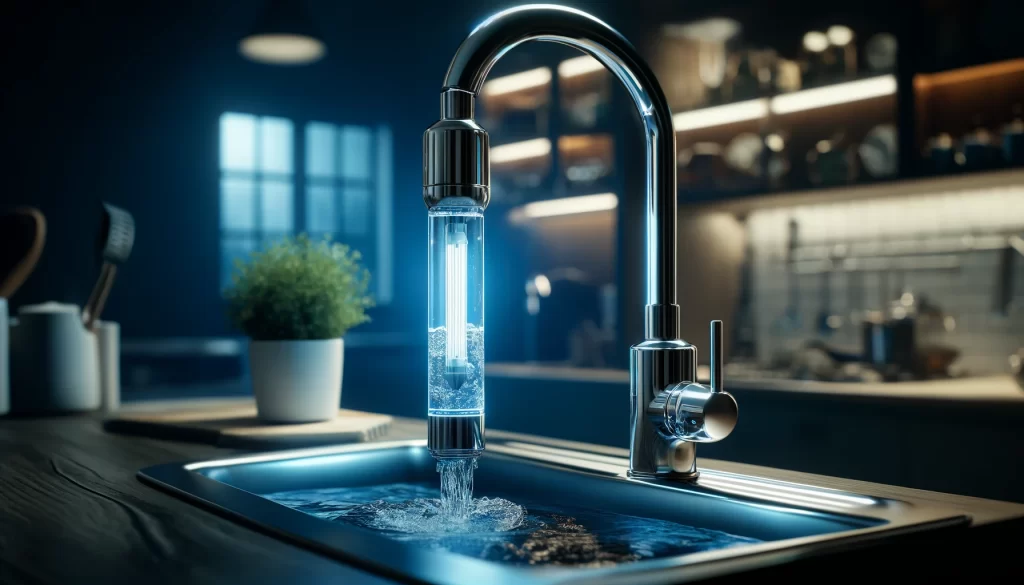
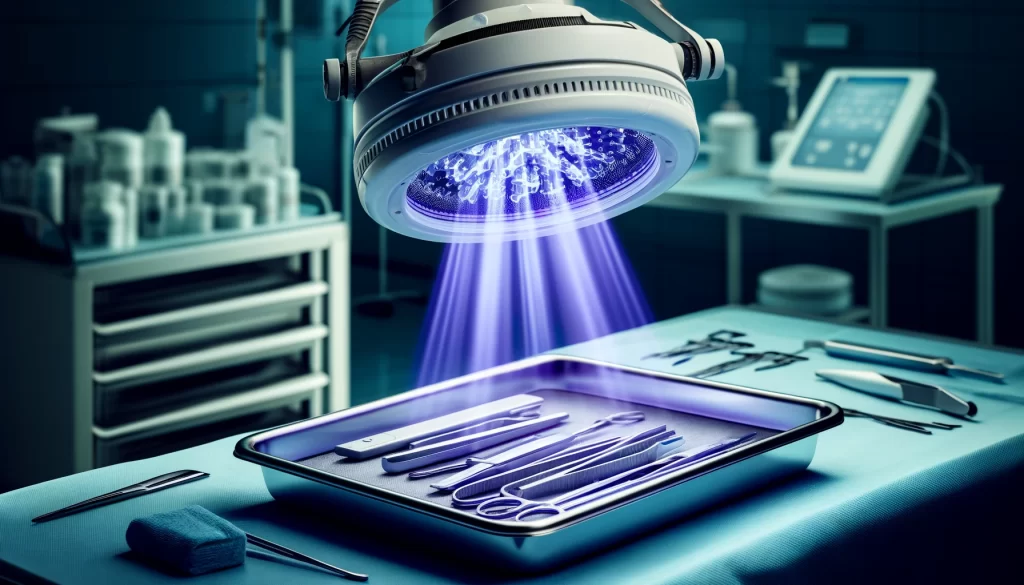
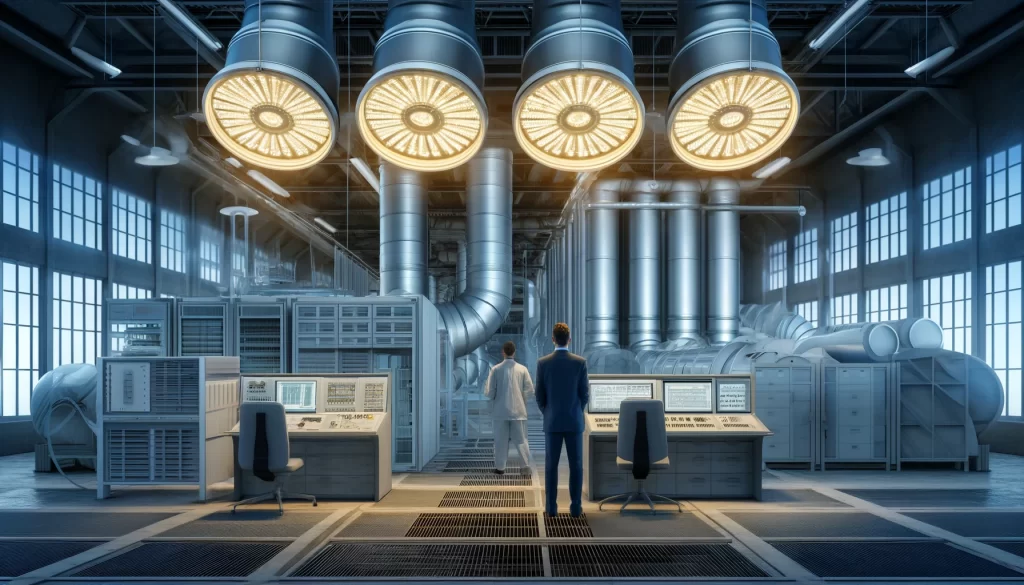
Una lampada ultravioletta (UV) è un dispositivo elettrico che genera radiazioni ultraviolette nello spettro UV. Sono utilizzati per vari scopi, compresa l'aria, acqua, e disinfezione delle superfici, così come la lavorazione dei materiali in una varietà di settori.
Le principali caratteristiche delle lampade ultraviolette includono:
Tipo di radiazione : Le lampade UV possono essere classificate in UVA in base alla lunghezza d'onda della radiazione (320 nm a 400 nm), UVB (280 nm a 320 nm) e UVC (100 nm a 280 nm). Ogni tipo di radiazione ha le sue caratteristiche e applicazioni.
Energia : La potenza della lampada UV determina la quantità di radiazioni che può generare. Questo è un parametro importante che influenza l'efficacia della disinfezione e del trattamento dei materiali.
Vita utile : La durata delle lampade UV determina il periodo di tempo in cui sono in grado di generare radiazioni in normali condizioni di utilizzo. Una lunga durata riduce i costi di sostituzione delle lampade e garantisce il funzionamento continuo del dispositivo.
Efficienza della disinfezione : L'efficienza di una lampada a raggi ultravioletti nella disinfezione dell'aria, acqua o superfici dipende dal suo design, potenza e tipo di radiazione. La selezione di una lampada con le caratteristiche appropriate aiuterà a raggiungere il livello di disinfezione richiesto.
Sicurezza : Le radiazioni UV possono essere dannose per la pelle e gli occhi se entrano in contatto diretto. Perciò, è importante scegliere lampade con adeguate caratteristiche di sicurezza, come schermi protettivi o interruttori automatici quando si apre l'alloggiamento del dispositivo.
Dimensioni e forma : Le lampade UV sono disponibili in diverse dimensioni e forme a seconda della loro applicazione. Alcune lampade sono progettate per essere installate all'interno di apparecchiature o sistemi, mentre altri possono essere portatili e utilizzati in una varietà di contesti.
Queste caratteristiche determinano la funzionalità e l'applicabilità delle lampade UV in varie applicazioni. Quando si seleziona una lampada, è importante considerare i requisiti di un'applicazione specifica e garantire un utilizzo sicuro.
Una panoramica dei diversi tipi di lampade UV (UVA, UVB, Uvc) e le loro caratteristiche spettrali.
La lampada ultravioletta UV è classificata in tre tipi principali a seconda della lunghezza d'onda della radiazione: UVA, UVB e UVC. Ciascun tipo ha le proprie caratteristiche spettrali e applicazioni.
Lampade UVA :
Lunghezza d'onda: da 320 nm a 400 nm.
Caratteristiche spettrali: La radiazione UVA si trova nella porzione di lunghezza d'onda più lunga dello spettro ultravioletto e ha l'energia più bassa dei tre tipi di UV.
Applicazioni: Le radiazioni UVA vengono spesso utilizzate in procedure cosmetiche e mediche come la fototerapia, terapia fotodinamica, e polimerizzazione della resina in odontoiatria. Viene utilizzato anche in vari processi industriali come l'essiccazione e la polimerizzazione degli adesivi.
Lampade UVB :
Lunghezza d'onda: da 280 nm a 320 nm.
Caratteristiche spettrali: La radiazione UVB si trova nella parte delle onde medie dello spettro ultravioletto e ha un'energia maggiore rispetto agli UVA.
Applicazioni: La radiazione UVB viene utilizzata in procedure mediche come il trattamento della psoriasi, eczema e altre malattie della pelle. Le lampade UVB vengono utilizzate anche per la polimerizzazione industriale e l'essiccazione dei materiali.
Lampade UVC :
Lunghezza d'onda: da 100 nm a 280 nm.
Caratteristiche spettrali: La radiazione UVC si trova nella parte a onde corte dello spettro ultravioletto e ha l'energia più alta di tutti i tipi di UV.
Applicazioni: La radiazione UVC è la più efficace per la disinfezione e la sterilizzazione. Distrugge i batteri, virus e altri microrganismi, rendendolo indispensabile nel campo della medicina, industria alimentare, purificazione dell'acqua, così come nella disinfezione dell'aria e delle superfici.
Confronto generale:
Le radiazioni UVA hanno l'energia più bassa e penetrano in profondità nella pelle.
La radiazione UVB ha un'energia media e può causare scottature e danni alla pelle.
La radiazione UVC ha l'energia più elevata ed è più efficace nella disinfezione e nella sterilizzazione, ma è bloccato dallo strato di ozono terrestre e non raggiunge la superficie del pianeta senza dispositivi speciali.
Vantaggi dell'utilizzo delle lampade UV
Lampada ultravioletta UV – efficace nella sterilizzazione e disinfezione.
L'efficacia delle lampade UV nella sterilizzazione e disinfezione dipende da diversi fattori, compreso il tipo di radiazione (UVA, UVB, Uvc), potenza della lampada, tempo di esposizione, Distanza dalla superficie da trattare, e caratteristiche dei microrganismi.
Radiazione UVC : Le lampade UVC sono più efficaci nella disinfezione e nella sterilizzazione grazie alla loro natura a onde corte. Sono in grado di penetrare nelle cellule dei microrganismi e danneggiarne il DNA o l'RNA, che li rende incapaci di riproduzione. La radiazione UVC è altamente efficace nel distruggere i batteri, virus, funghi e altri microrganismi patogeni.
Potenza e tempo di esposizione : Maggiore è la potenza della lampada UV e più lungo sarà il tempo di esposizione, maggiore è la probabilità di una completa disinfezione o sterilizzazione. Le impostazioni ottimali dipendono dall'applicazione specifica e dal livello di disinfezione richiesto.
Distanza dalla superficie da trattare : La radiazione UV è efficace a brevi distanze, quindi è importante posizionare correttamente le lampade rispetto alla superficie o all'oggetto da trattare. Ciò consente di massimizzare il potenziale delle radiazioni UV e garantire una disinfezione uniforme.
Caratteristiche dei microrganismi : Alcuni microrganismi possono essere più resistenti ai raggi UV rispetto ad altri, pertanto l'efficacia della disinfezione può variare a seconda del tipo di microrganismo e del suo stadio di sviluppo.
Se usato correttamente e con i giusti parametri, le lampade ultraviolette forniscono un elevato grado di sterilizzazione e disinfezione, rendendoli uno strumento importante nel campo della medicina, industria alimentare, purificazione dell'acqua, così come nella pulizia dell'aria e delle superfici.
L'utilizzo delle lampade UV a confronto con i metodi di pulizia tradizionali.
La lampada UV presenta vantaggi e limiti rispetto ai metodi di pulizia tradizionali, a seconda dell'applicazione specifica e dei requisiti di disinfezione. Ecco alcuni punti chiave da confrontare:
Efficacia : La disinfezione UV fornisce un'efficace distruzione dei batteri, virus, funghi e altri agenti patogeni senza l'uso di prodotti chimici. Mentre alcuni metodi tradizionali, come l'uso di soluzioni di cloro o alcol, potrebbe anche essere efficace, potrebbero lasciare residui o avere odori sgradevoli.
Sicurezza : La disinfezione UV non richiede l'uso di prodotti chimici, rendendolo più sicuro per l’ambiente e per l’uomo. Non lascia residui e non altera la composizione chimica delle superfici trattate e dell'acqua. Tuttavia, È necessario adottare precauzioni per proteggersi dall'esposizione diretta della pelle e degli occhi ai raggi UV.
Tempo di elaborazione : La disinfezione UV richiede in genere meno tempo rispetto ad alcuni metodi tradizionali, soprattutto nel trattamento dell'aria o delle superfici. Può essere continuo senza la necessità di attendere il tempo di asciugatura o che le soluzioni chimiche si dissolvano.
Applicazioni : La disinfezione UV è spesso utilizzata nel settore sanitario, trasformazione alimentare, trattamento dell'acqua, trattamento dell'aria e dell'acqua, e ambienti domestici. Può essere efficace in una vasta gamma di ambienti e superfici.
Utilizzo : Le lampade UV richiedono una corretta installazione e una manutenzione regolare per garantire un funzionamento continuo e la massima efficienza. I metodi tradizionali possono essere più facili da usare, ma potrebbero richiedere uno sforzo maggiore per trattare aree o volumi di grandi dimensioni.
Generalmente, l'utilizzo delle lampade ultraviolette presenta numerosi vantaggi rispetto ai metodi di pulizia tradizionali, soprattutto nel campo dell'aria, disinfezione dell'acqua e delle superfici. Tuttavia, devono essere prese in considerazione le condizioni applicative e i requisiti di lavorazione specifici.
Conclusione
Le lampade ultraviolette svolgono un ruolo importante nel mondo moderno, fornendo un'efficace disinfezione e sterilizzazione in vari ambiti della vita. Ecco gli aspetti principali della loro importanza:
Sicurezza e igiene : La disinfezione UV aiuta a garantire la sicurezza e l’igiene nelle strutture sanitarie, trasformazione alimentare, luoghi pubblici e abitazioni. Può distruggere efficacemente i batteri, virus, funghi e altri agenti patogeni, riducendo il rischio di diffusione di infezioni e malattie.
Rispettoso dell'ambiente : A differenza di alcuni metodi di disinfezione tradizionali, Le lampade UV non utilizzano sostanze chimiche, rendendoli più rispettosi dell’ambiente. Non lasciano residui e non inquinano l'ambiente.
Efficienza e affidabilità : La disinfezione UV offre elevata efficienza e affidabilità nella distruzione dei microrganismi sulle superfici, nell'acqua e nell'aria. È uno dei metodi più efficaci per combattere le infezioni e garantire la sicurezza della salute pubblica.
Ampia gamma di applicazioni : Le lampade UV possono essere utilizzate in vari settori, compresa la medicina, industria alimentare, trattamento dell'acqua, trattamento dell'aria, prodotti farmaceutici, e anche in casa. La loro versatilità li rende parte integrante dei moderni sistemi di sicurezza e igiene.
Innovazione e sviluppo : Nuove tecnologie e innovazioni nel campo della disinfezione ultravioletta vengono costantemente sviluppate, che consente miglioramenti in termini di efficienza, sicurezza e usabilità delle lampade ultraviolette. Ciò include lo sviluppo di lampade più efficienti, sistemi intelligenti di controllo e monitoraggio, e integrazione con altre tecnologie.
Complessivamente, Le lampade UV svolgono un ruolo chiave nel mantenimento della sicurezza, igiene e salute nel mondo di oggi, e la loro importanza continua a crescere con i progressi della tecnologia e la consapevolezza dell’importanza di prevenire la diffusione delle infezioni.
 [lsft_native_dropdown]