 [lsft_native_dropdown]

무료 견적 받기
자외선 램프 UV: 유용한 특성과 다양한 응용 분야
24 4월, 2024
에 의해 본사
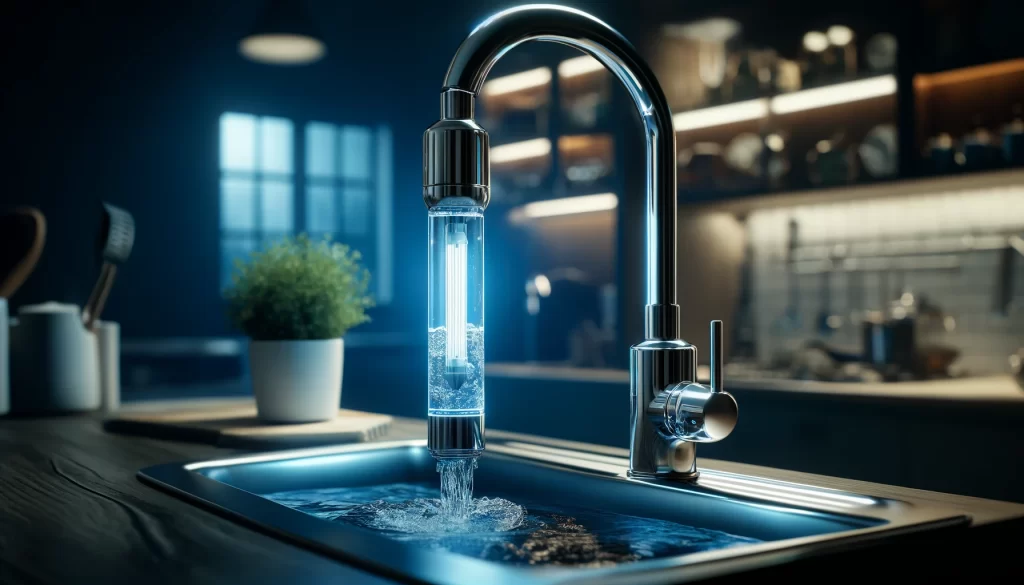
자외선 램프 (자외선) UV 스펙트럼의 자외선을 생성하는 전기 장치입니다.. 그들은 다양한 목적으로 사용됩니다, 공기를 포함하여, 물, 및 표면 소독, 다양한 산업 분야의 재료 가공뿐만 아니라.
자외선 램프의 주요 특징은 다음과 같습니다.:
- 방사선 유형 : UV 램프는 방사선 파장에 따라 UVA로 분류될 수 있습니다. (320 nm to 400 nm), UVB (280 nm to 320 nm) 및 UVC (100 nm to 280 nm). 각 방사선 유형에는 고유한 특성과 용도가 있습니다..
- 힘 : UV 램프의 전력에 따라 생성할 수 있는 방사선의 양이 결정됩니다.. 이는 물질의 소독 및 처리 효과에 영향을 미치는 중요한 매개변수입니다..
- 서비스 수명 : UV 램프의 수명은 정상적인 사용 조건에서 방사선을 생성할 수 있는 기간을 결정합니다.. 수명이 길어 램프 교체 비용이 절감되고 장치의 지속적인 작동이 보장됩니다..
- 소독효율 : 공기 소독에 있어 자외선 램프의 효율성, 물이나 표면은 디자인에 따라 다릅니다., 전력 및 방사선 유형. 적절한 특성을 지닌 램프를 선택하면 필요한 소독 수준을 달성하는 데 도움이 됩니다..
- 안전 : 자외선은 직접 접촉 시 피부와 눈에 해로울 수 있습니다.. 그러므로, 적절한 안전 기능을 갖춘 램프를 선택하는 것이 중요합니다, 장치 하우징을 열 때 보호 스크린이나 회로 차단기 등.
- 크기와 모양 : UV 램프는 용도에 따라 다양한 크기와 모양으로 제공됩니다.. 일부 램프는 장비나 시스템 내부에 설치되도록 설계되었습니다., 다른 것들은 휴대 가능하고 다양한 설정에서 사용될 수 있습니다..
이러한 특성은 다양한 응용 분야에서 UV 램프의 기능과 적용 가능성을 결정합니다.. 램프를 선택할 때, 특정 애플리케이션의 요구 사항을 고려하고 안전한 사용을 보장하는 것이 중요합니다..
다양한 유형의 UV 램프 개요 (UVA, UVB, UVC) 그리고 그들의 스펙트럼 특성.
자외선 램프 UV는 방사선의 파장에 따라 세 가지 주요 유형으로 분류됩니다.: UVA, UVB와 UVC. 각 유형에는 고유한 스펙트럼 특성과 용도가 있습니다..
- UVA 램프 :
- 파장: ~에서 320 nm to 400 nm.
- 스펙트럼 특성: UVA 방사선은 자외선 스펙트럼의 더 긴 파장 부분에 속하며 세 가지 유형의 UV 중 에너지가 가장 낮습니다..
- 응용: UVA 방사선은 광선요법과 같은 미용 및 의료 시술에 자주 사용됩니다., 광역학 치료, 치과에서의 수지 중합. 접착제의 건조, 경화 등 다양한 산업 공정에도 사용됩니다..
- UVB 램프 :
- 파장: ~에서 280 nm to 320 nm.
- 스펙트럼 특성: UVB 방사선은 자외선 스펙트럼의 중간파 부분에 속하며 UVA보다 더 높은 에너지를 가집니다..
- 응용: UVB 방사선은 건선 치료와 같은 의료 절차에 사용됩니다., 습진 및 기타 피부 질환. UVB 램프는 재료의 산업용 중합 및 건조에도 사용됩니다..
- UVC 램프 :
- 파장: ~에서 100 nm to 280 nm.
- 스펙트럼 특성: UVC 방사선은 자외선 스펙트럼의 단파장 부분에 속하며 모든 유형의 UV 중에서 가장 높은 에너지를 갖습니다..
- 응용: UVC 방사선은 소독 및 살균에 가장 효과적입니다.. 박테리아를 파괴합니다., 바이러스 및 기타 미생물, 의학 분야에서 없어서는 안 될 존재가 되었습니다., 식품 산업, 정수, 공기 및 표면 소독뿐만 아니라.
일반 비교:
- UVA 방사선은 에너지가 가장 낮고 피부 깊숙이 침투합니다..
- UVB 방사선은 중간 정도의 에너지를 가지며 일광화상과 피부 손상을 일으킬 수 있습니다..
- UVC 방사선은 가장 높은 에너지를 가지며 소독 및 살균에 가장 효과적입니다., 하지만 지구의 오존층에 의해 차단되어 특별한 장치 없이는 지구 표면에 도달하지 못합니다..
UV 램프 사용의 이점
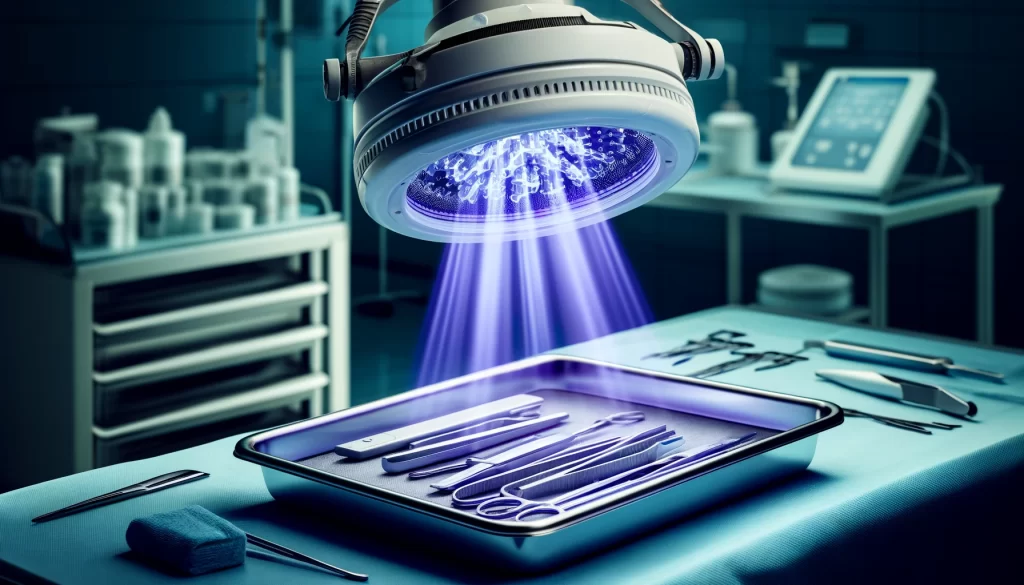
자외선 램프 UV – 살균, 소독에 효과적인.
살균 및 소독에서 UV 램프의 효과는 여러 요인에 따라 달라집니다., 방사선의 종류를 포함한 (UVA, UVB, UVC), 램프 전원, 노출 시간, 처리되는 표면으로부터의 거리, 미생물의 특성과.
- UVC 방사선 : UVC 램프는 파장이 짧아 소독, 살균에 가장 효과적입니다.. 미생물의 세포에 침투하여 DNA나 RNA를 손상시킬 수 있습니다., 이로 인해 재생산이 불가능합니다. UVC 방사선은 박테리아를 파괴하는 데 매우 효과적입니다., 바이러스, 곰팡이 및 기타 병원성 미생물.
- 전력 및 노출 시간 : UV 램프의 출력이 높을수록 노출 시간이 길어집니다., 완전한 소독 또는 멸균 가능성이 높을수록. 최적의 설정은 특정 용도와 필요한 소독 수준에 따라 다릅니다..
- 처리되는 표면까지의 거리 : UV 방사선은 근거리에서 효과적입니다., 따라서 치료할 표면이나 물체를 기준으로 램프를 올바르게 배치하는 것이 중요합니다.. 이를 통해 UV 방사선의 잠재력을 극대화하고 균일한 소독을 보장할 수 있습니다..
- 미생물 특성 : 일부 미생물은 다른 미생물보다 자외선에 대한 저항력이 더 강할 수 있습니다., 따라서 미생물의 종류와 발달단계에 따라 소독효과가 달라질 수 있습니다..
올바른 매개변수와 함께 올바르게 사용하는 경우, 자외선 램프는 높은 수준의 살균 및 소독 기능을 제공합니다., 의학 분야에서 중요한 도구로 만들기, 식품 산업, 정수, 공기 및 표면 청소뿐만 아니라.
기존 청소 방법과 비교하여 UV 램프 사용.
UV 램프는 기존 청소 방법에 비해 장점과 한계가 있습니다., 특정 적용 및 소독 요구 사항에 따라. 비교해야 할 몇 가지 핵심 사항은 다음과 같습니다.:
- 유효성 : UV 소독은 박테리아를 효과적으로 파괴합니다., 바이러스, 화학 물질을 사용하지 않고 곰팡이 및 기타 병원체를 제거합니다.. 일부 전통적인 방법이 있는 반면, 염소나 알코올 용액을 사용하는 등, 또한 효과적 일 수 있습니다, 잔여물이 남거나 불쾌한 냄새가 날 수 있습니다..
- 안전 : UV 소독에는 화학 물질을 사용할 필요가 없습니다., 환경과 인간에게 더 안전한 제품을 만드는 것. 잔여물을 남기지 않으며 처리된 표면이나 물의 화학적 구성을 변경하지 않습니다.. 하지만, 피부와 눈이 UV 방사선에 직접 노출되지 않도록 예방 조치를 취해야 합니다..
- 처리 시간 : UV 소독은 일반적으로 일부 기존 방법보다 시간이 덜 걸립니다., 특히 공기나 표면을 처리할 때. 건조 시간이나 화학 용액이 사라질 때까지 기다릴 필요 없이 연속적으로 수행할 수 있습니다..
- 응용 : UV 소독은 의료 분야에서 자주 사용됩니다., 식품 가공, 수처리, 공기와 물 처리, 그리고 가정환경. 다양한 환경과 표면에서 효과적일 수 있습니다..
- 용법 : UV 램프는 지속적인 작동과 최대 효율성을 보장하기 위해 적절한 설치와 정기적인 유지 관리가 필요합니다.. 기존 방법이 사용하기 더 쉬울 수 있습니다., 그러나 넓은 부위나 부피를 치료하려면 더 많은 노력이 필요할 수 있습니다..
일반적으로, 자외선 램프를 사용하면 기존 청소 방법에 비해 많은 장점이 있습니다., 특히 공기 분야에서, 물과 표면 소독. 하지만, 특정 적용 조건 및 처리 요구 사항을 고려해야 합니다..
결론
자외선 램프는 현대 사회에서 중요한 역할을 합니다., 생활의 다양한 부위에 효과적인 소독, 살균을 제공합니다.. 그 중요성의 주요 측면은 다음과 같습니다.:
- 안전과 위생 : UV 소독은 의료 시설의 안전과 위생을 보장합니다., 식품 가공, 공공장소와 집. 박테리아를 효과적으로 파괴할 수 있습니다., 바이러스, 곰팡이 및 기타 병원체, 감염 및 질병 확산 위험 감소.
- 환경 친화적 : 기존의 소독방법과는 다르게, UV 램프는 화학 물질을 사용하지 않습니다., 더욱 환경친화적으로 만드는 것. 잔류물을 남기거나 환경을 오염시키지 않습니다..
- 효율성과 신뢰성 : UV 소독은 표면의 미생물을 파괴하는 데 있어 높은 효율성과 신뢰성을 제공합니다., 물과 공중에서. 이는 감염을 퇴치하고 공중 보건 안전을 보장하는 가장 효과적인 방법 중 하나입니다..
- 광범위한 응용 분야 : UV 램프는 다양한 산업 분야에서 사용될 수 있습니다., 약을 포함하여, 식품 산업, 수처리, 공기 처리, 의약품, 그리고 집에서도. 다재다능함 덕분에 현대 안전 및 위생 시스템의 필수적인 부분이 되었습니다..
- 혁신과 발전 : 자외선 소독 분야의 새로운 기술과 혁신은 끊임없이 개발되고 있습니다., 효율성을 향상시킬 수 있는, 자외선 램프의 안전성과 유용성. 여기에는 보다 효율적인 램프의 개발도 포함됩니다., 지능형 제어 및 모니터링 시스템, 그리고 다른 기술과의 통합.
전반적인, UV 램프는 안전 유지에 중요한 역할을 합니다., 오늘날 세계의 위생과 건강, 기술의 발전과 감염 확산 방지의 중요성에 대한 인식이 높아지면서 그 중요성은 계속 커지고 있습니다..

