 [lsft_native_dropdown]

무료 견적 받기
물 소독용 자외선 램프: 효과적인 솔루션
28 4월, 2024
에 의해 본사
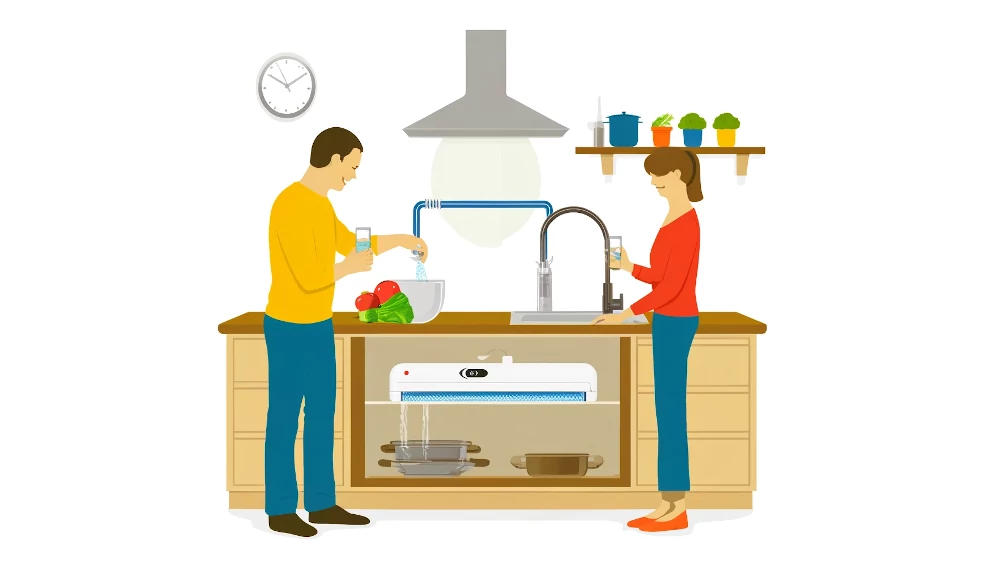
이 기사에서는, 물 소독용 자외선 램프가 어떻게 작동하는지 살펴보겠습니다., 올바른 장비 선택의 장점과 주요 측면.
물 소독용 자외선 램프의 작동 원리
자외선 (자외선) 물 소독 램프는 자외선을 사용하여 박테리아와 같은 미생물을 죽이는 원리로 작동합니다., 바이러스, 물에 존재하는 곰팡이 및 기타 병원체. 기본 작동 원리는 다음과 같습니다:
- UV-C 방사선: 자외선 물 소독 램프는 일반적으로 단파장 자외선을 방출합니다. 200 에게 300 nm 범위, UV-C로 알려진. 이 방사선은 미생물의 DNA를 파괴할 만큼 충분한 에너지를 가지고 있습니다., 번식을 불가능하게 만들고 죽음을 초래합니다..
- 물 소독: 자외선은 물을 통과합니다., 그 안에 존재할 수 있는 미생물을 제거하거나 비활성화하는 것. 미생물이 자외선에 노출되면, DNA가 손상됐어, 복제할 수 없게 만들고 병원균을 죽게 만듭니다..
- 소독과정: 자외선을 이용한 물 소독은 몇 초 또는 몇 분 내에 이루어집니다., 방사선의 강도와 시스템을 통과하는 물의 흐름 속도에 따라 달라집니다.. 소독 과정은 일반적으로 화학 물질을 추가하지 않고 이루어지며 물의 화학적 구성을 변경하지 않습니다..
- 능률: UV 물 소독은 광범위한 미생물을 죽이는 효과적인 방법입니다., 박테리아를 포함한, 바이러스, 병원성 곰팡이와 원생동물. 이 방법은 잔류물을 남기지 않으며 물의 화학적 구성을 바꾸지 않습니다., 안전하게 섭취할 수 있도록.
자외선 물 소독 램프는 식수 공급 등 다양한 분야에서 널리 사용됩니다., 폐수 처리, 수족관, 수영장, 의료 시설 및 식품 산업. 화학 첨가물을 사용하지 않고 물을 소독하는 안전하고 효과적인 방법입니다..
UV 램프가 박테리아와 바이러스를 파괴하는 방법
자외선 (자외선) 램프는 유전 물질에 영향을 주고 복제 능력을 방해하여 박테리아와 바이러스를 파괴합니다.. 소독 과정은 다음과 같이 진행됩니다:
- UV-C 방사선: Ultraviolet lamps used for disinfection emit short-wave ultraviolet radiation in the range of 200 에게 300 nm, UV-C로 알려진. This radiation has enough energy to penetrate the cells of bacteria and viruses.
- DNA 손상: UV radiation affects the genetic material of microorganisms, causing the formation of thymine dimers in DNA. Thymine dimers are abnormal structures that interfere with normal DNA replication, causing the death of the microorganism or making it unable to replicate.
- Loss of Vitality: When the DNA of bacteria and viruses is damaged by UV radiation, 미생물은 죽거나 복제 및 감염 능력을 잃습니다.. This makes them harmless to human health and the environment.
- 소독효율: UV disinfection is effective in killing a wide range of bacteria, 바이러스, pathogenic fungi and other microorganisms. This method of disinfection is safe, inexpensive and does not require the use of chemicals, 의학을 비롯한 다양한 분야에서 인기를 얻고 있습니다., 음식, 물과 가정 환경.
물용 UV 램프의 기술적 특성
자외선 (자외선) 물 램프는 효율성과 적용 가능성을 결정하는 몇 가지 기술적 특성을 가지고 있습니다.. 다음은 그중 일부입니다.:
- UV 파장: UV 물 램프는 일반적으로 다음과 같은 자외선 파장 범위의 방사선을 방출합니다. 200 에게 300 nm. 파장은 박테리아와 바이러스의 DNA를 효과적으로 파괴하는 UV 방사선의 범위이기 때문에 중요합니다..
- 힘: UV 램프의 전력은 와트로 측정됩니다. (여) 방출되는 에너지의 양을 결정합니다.. 램프의 출력이 높을수록, 더 빠르고 효과적인 물 소독. 하지만, 더 강력한 램프는 더 많은 에너지를 소비할 수 있다는 점을 기억해야 합니다..
- 용량: UV 워터 램프의 용량은 주어진 시간 내에 처리할 수 있는 물의 양을 나타냅니다.. 이는 시간당 갤런으로 표시할 수 있습니다. (GPH) 또는 분당 리터 (LPM). 용량 선택은 처리되는 물의 양과 필요한 처리 속도에 따라 달라집니다..
- 소독효율: 이는 UV 램프의 박테리아 박멸 능력을 측정한 것입니다., 바이러스, 그리고 물 속의 다른 병원체들. 제조업체는 일반적으로 특정 사용 조건에서 죽는 미생물의 비율을 나열합니다..
- 수명주기: UV 램프의 수명 주기에 따라 교체하기 전까지 작동할 수 있는 기간이 결정됩니다.. 이는 수처리 시스템의 유지 관리를 계획할 때 고려하는 것이 중요합니다..
- 추가 기능: 일부 UV 램프에는 작동 표시기와 같은 추가 기능이 있을 수 있습니다., 자동 차단, 과열 방지 및 기타 사용 편의성과 안전성을 향상시킬 수 있는 기능.
물용 UV 램프 선택은 물 공급 시스템의 특정 요구 사항 및 조건에 따라 다릅니다..
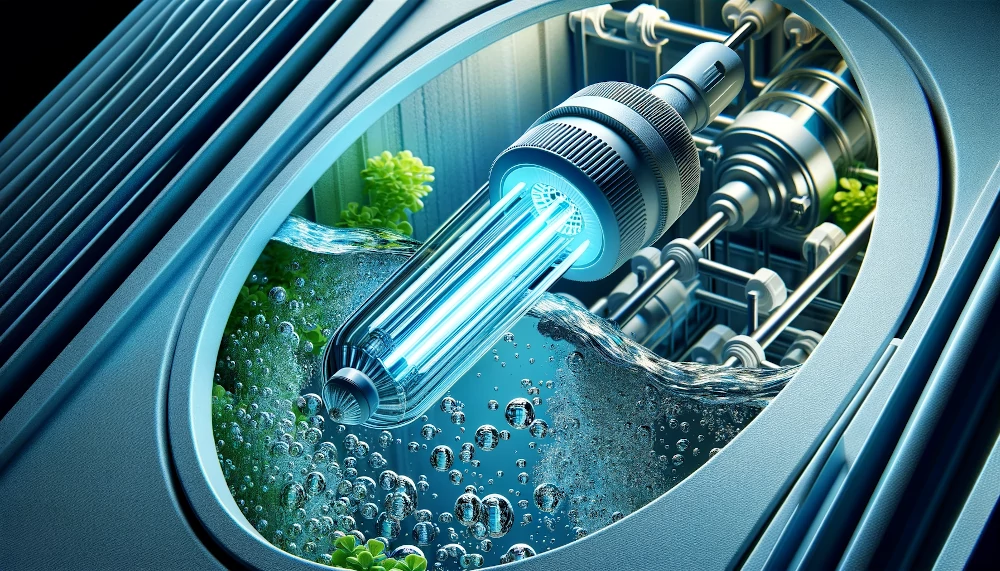
정수 시스템에 UV 램프를 사용하면 얻을 수 있는 이점
자외선의 사용 (자외선) 정수 시스템의 램프는 여러 가지 장점을 제공합니다.:
- 효과적인 소독: UV 램프는 박테리아를 효과적으로 죽일 수 있습니다., 바이러스, 물에 존재하는 곰팡이 및 기타 미생물. 병원체의 DNA를 파괴합니다., 번식을 할 수 없게 만들고 질병을 일으키게 됩니다..
- 안전하고 환경 친화적인: UV 소독 공정에는 염소와 같은 화학 첨가물을 사용할 필요가 없습니다., 냄새가 남을 수 있는 것, 맛의 변화와 원치 않는 화학 반응 생성물의 형성. 이는 건강에 안전하고 환경 친화적입니다..
- 부산물 없음: UV 소독 과정에서는 건강에 해로울 수 있는 염소 유발 물질이나 독소와 같은 부산물이 생성되지 않습니다..
- 빠른 행동: 자외선 수처리는 거의 즉각적으로 이루어집니다.. 이는 물이 UV 소독 시스템을 통과한 후 즉시 처리되어 사용될 수 있음을 의미합니다..
- 사용 및 유지 관리가 쉽습니다.: UV 램프는 설치 및 유지 관리가 쉽습니다.. 일반적으로, 정기적인 램프 교체와 석영 전구 청소만 필요합니다..
- 광범위한 응용 분야: UV 소독은 다양한 수처리 시스템에 사용될 수 있습니다., 배관 시스템을 포함하여, 수영장, 수족관, 산업 공정 등.
이러한 이점으로 인해 UV 램프는 가정 및 상업용 수처리 방법 중 가장 효과적이고 안전한 방법 중 하나가 되었습니다..
자외선 소독의 안전성과 생태
자외선의 사용 (자외선) 소독은 안전성과 환경 친화성 측면에서 많은 장점을 가지고 있습니다.:
- 화학 첨가물 없음: UV 소독은 물을 처리하기 위해 염소나 오존과 같은 화학 첨가물을 사용할 필요가 없습니다.. 이는 화합물로 인한 수질 오염 위험을 줄이고 위험한 화학 물질을 보관하고 취급할 필요성을 없애줍니다..
- 건강 안전: UV소독은 화학약품을 사용하지 않기 때문에, 처리된 물에 잔류물이나 부산물이 남지 않습니다.. 이를 통해 음주 및 가정용으로 안전하게 사용할 수 있습니다., 식품 산업에서도 사용 가능.
- 환경 친화적: UV 소독을 사용해도 수역이나 토양의 생태계에 변화가 없습니다., 환경에 유해한 물질을 방출하지 않기 때문에. 이는 생태가 민감한 지역에 특히 중요합니다., 화학물질이 환경과 동물에게 해를 끼칠 수 있는 곳.
- 잔류물 없는 성능: UV 소독은 박테리아를 포함한 병원균을 파괴합니다., 미생물에 잔류물이나 돌연변이를 남기지 않고 바이러스 및 곰팡이를 제거합니다.. 이는 내화학성 미생물 균주가 발생할 위험 없이 오염된 물로 인한 질병에 대한 확실한 보호를 제공합니다..
- 에너지 절약: 최신 UV 소독 시스템은 점점 더 에너지 효율적입니다, 에너지 소비 감소 및 환경 영향 감소.
전반적인, 자외선 소독은 안전해요, 물공급부터 식품가공까지 다양한 응용분야에 널리 사용되는 친환경적이고 효과적인 수처리 방법.
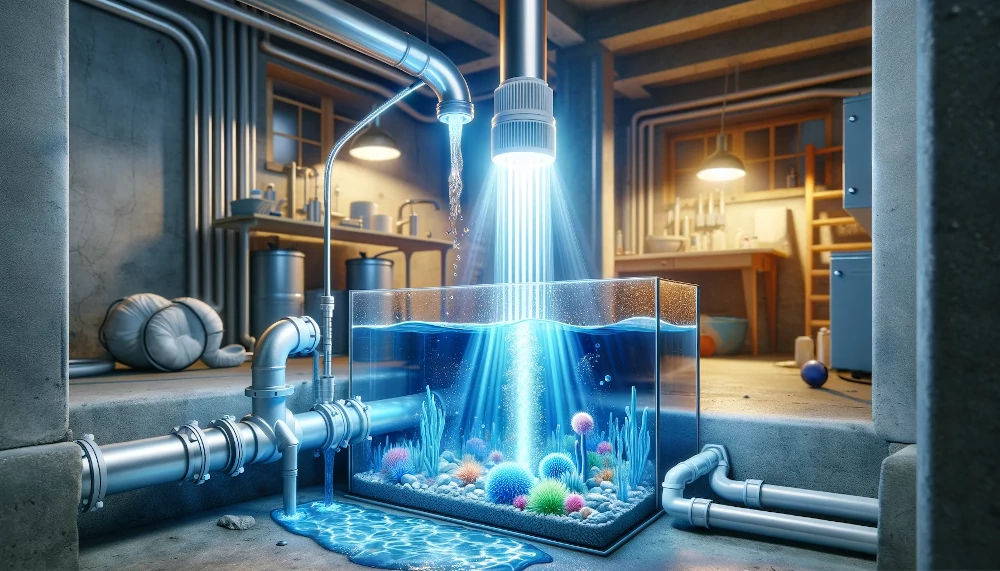
국내 및 산업 환경에서의 UV 램프 적용
자외선 (자외선) 램프는 가정 및 산업 환경 모두에서 폭넓게 응용됩니다.. 주요 사용 영역은 다음과 같습니다.:
가정용:
- 공기 소독: UV 램프는 환기 및 공조 시스템에 사용되어 박테리아를 죽일 수 있습니다., 바이러스, 그리고 집 안 공기에 곰팡이가. 이는 알레르기나 천식이 있는 사람들에게 특히 유용합니다..
- 표면 소독: 휴대용 UV 램프는 가정의 다양한 표면을 소독하는 데 사용할 수 있습니다., 주방 조리대와 같은, 화장실, 키보드 및 모바일 장치.
- 물 소독: 가정용 UV 램프를 정수 시스템에 설치하여 박테리아를 죽일 수 있습니다., 식수에 있는 바이러스 및 기타 미생물.
- 물체 및 도구의 소독: UV 램프는 다양한 물체와 도구를 소독하는 데 사용할 수 있습니다., 칫솔과 같은, 장난감, 가위 및 기타 작은 물건.
산업용:
- 식품 산업: UV 램프는 식품 공장의 표면과 공기를 소독하는 데 사용됩니다., 레스토랑, 제과점 및 기타 식품 산업 기업은 식품이 미생물로 오염되는 것을 방지합니다..
- 약: UV 램프는 수술실 소독에 사용됩니다., 악기, 병원의 의료 장비 및 표면, 진료소 및 치과 진료소.
- 수처리: UV 램프는 수영장 수처리와 같은 상업용 및 산업용 수처리 시스템에 사용됩니다., 워터파크, 화장품 공장 및 음료 산업.
- 제약: UV 램프는 제약 산업의 장비 및 생산 시설 소독에 사용됩니다., 의약품의 멸균뿐만 아니라.
UV 물 소독 램프 다양한 생활 영역의 소독을 위한 효과적이고 비용 효율적인 솔루션을 제공합니다.. 이는 가정 및 산업 환경 모두에서 청결과 안전을 보장하는 중요한 구성 요소입니다..

